

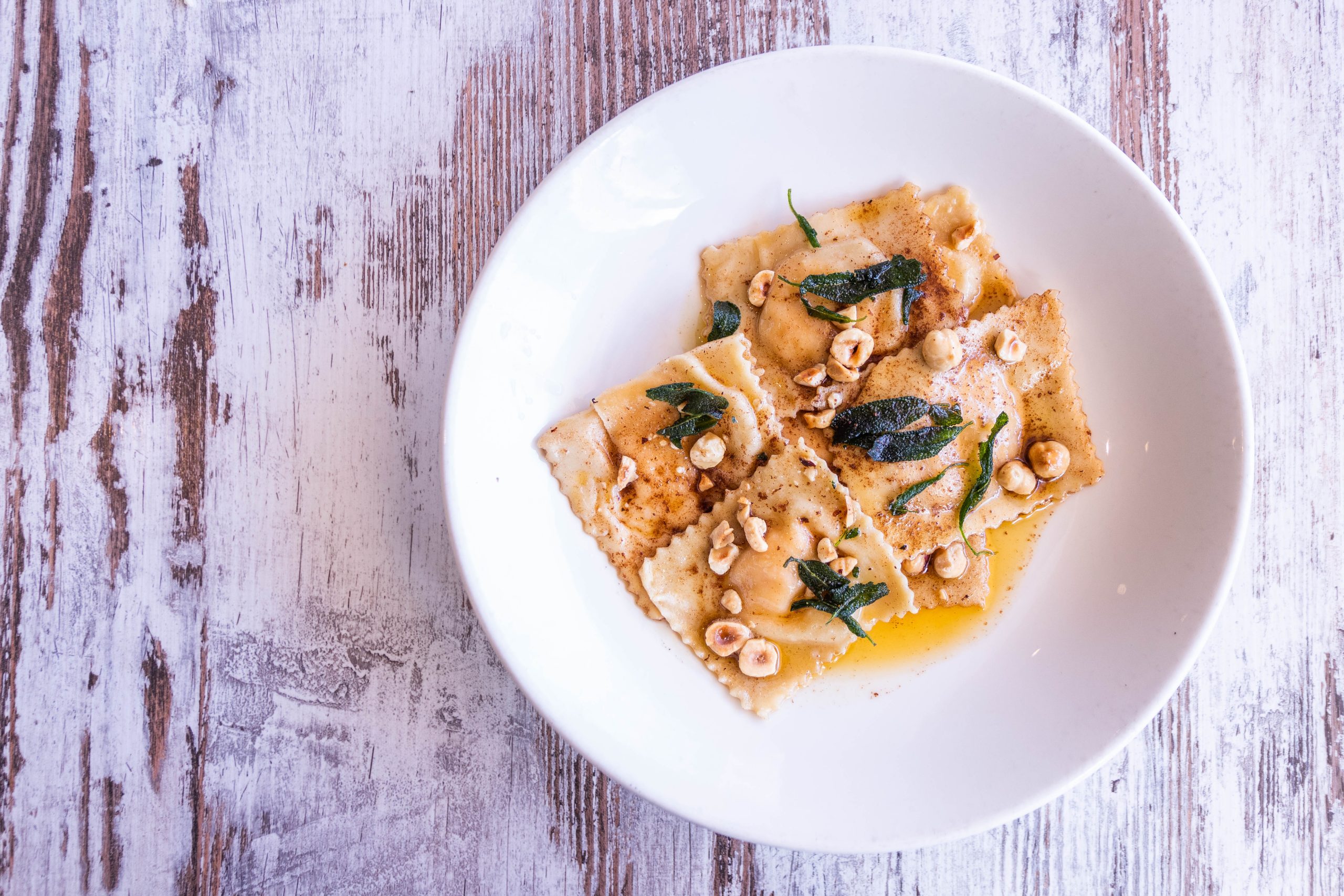
Pasta has become one of the most recognised foods in the world, though it is made with very simple ingredients like flour and water. Over the years, pasta has become a symbol of Italian culture, family traditions, and even regional identity. Everyone knows it as a staple of Italian cuisine, and they connect pasta with comfort, celebration, and authentic Italian dining.
Every style of pasta carries a story linked to local ingredients and traditions, whether it is handmade ribbons or dried pasta. The history of pasta reflects the evolution of Italian cuisine. It shows how a humble dish has grown into a global favourite while still deeply connected with Italian heritage.
What Defines Pasta in Traditional Italian Cuisine
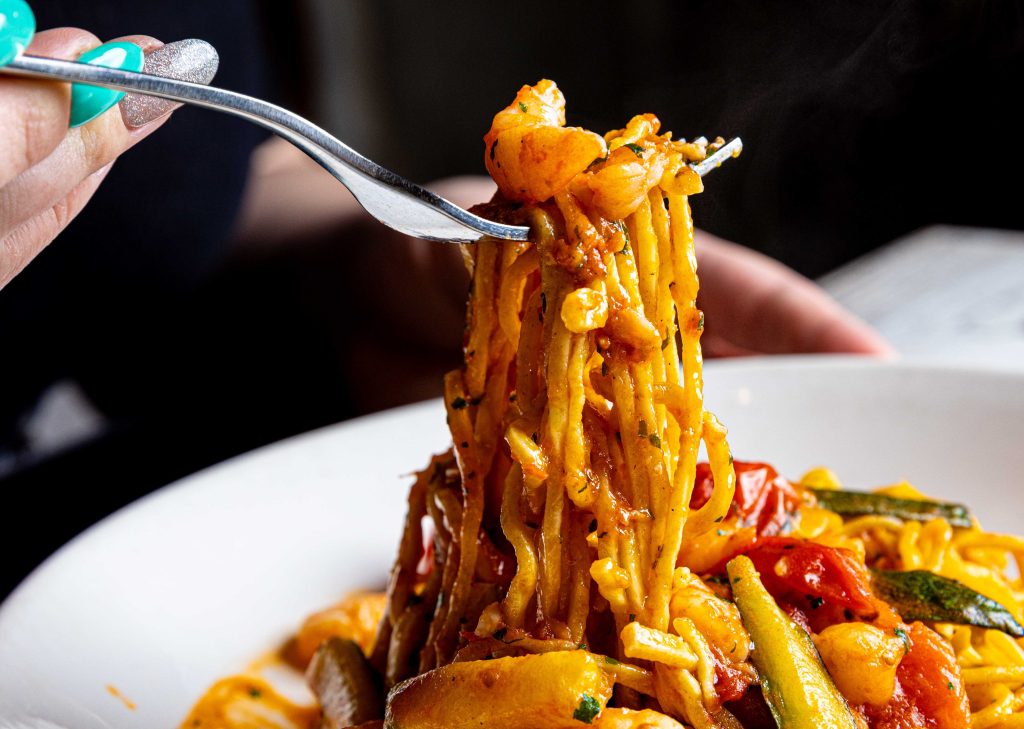
As a traditional Italian dish, pasta is always the main character at the table and is considered a central part of everyday dining. Traditional pasta dishes focus on balance, texture, and good ingredients treated with care. Italian carefully match pasta shapes with specific sauces to create the right texture and flavour combination.
Fresh pasta is often associated with Northern Italy, while dried pasta has long been part of Southern Italian cooking, where warmer climates made drying and storage easier. Across Italy, every region developed its own style based on local ingredients and traditions. These small details and techniques passed through generations are part of what continues to make Italian pasta so meaningful today.
The Early History of Pasta
The early history of pasta dates back thousands of years, though historians still debate exactly where it began. Ancient civilisations around the Mediterranean prepared foods made from grains and water long before modern pasta existed. Early forms of pasta were likely influenced by Arab cooking traditions introduced to Southern Italy during the Middle Ages.
Because of the warm climate, Sicily became an important centre for dried pasta production, which allowed pasta to dry and be stored more easily. Over time, pasta became increasingly common across Italy due to its affordability, long shelf life, and versatility. By the Renaissance period, pasta had already become an established part of Italian cuisine.
How Pasta Became Part of Italian Culture
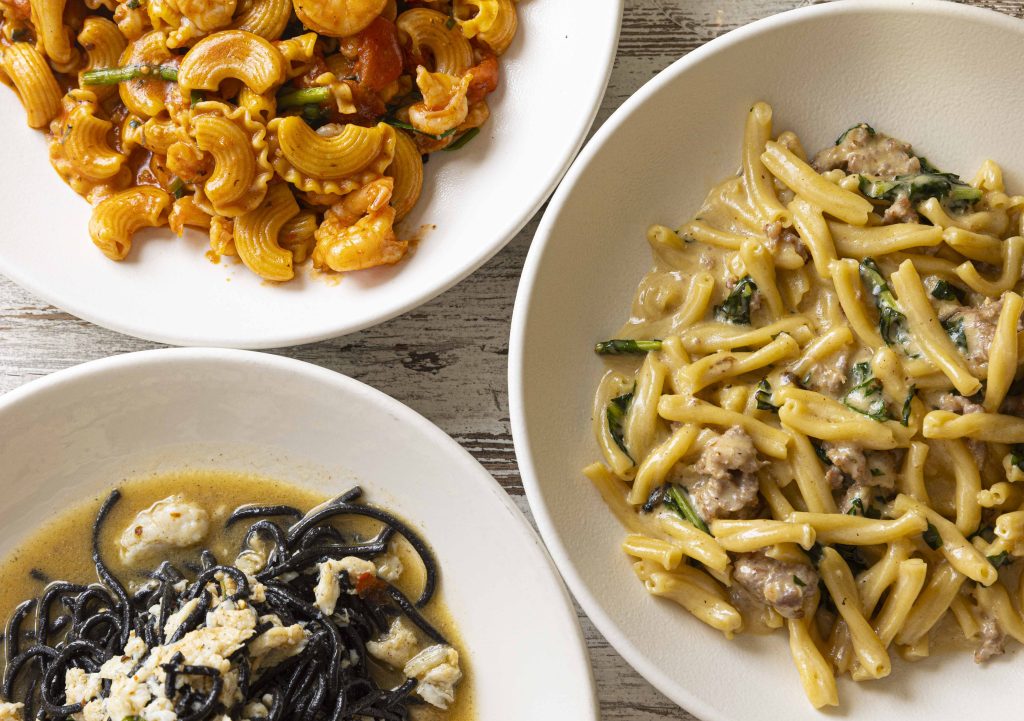
Pasta became part of everyday Italian life because it brought together practicality, flavour, and tradition. It has been a family favourite for countless years. Families could create filling meals using locally available ingredients, with many households preparing homemade pasta as part of their regular cooking traditions. As regions developed their own culinary identities, pasta evolved alongside them, shaped by local produce, seafood, cheeses, and seasonal ingredients.
Pasta also became associated with hospitality and social gatherings, especially during Sunday lunches and family celebrations, when pasta at home often brought families together around the table. Recipes were handed down through generations, preserving regional traditions and family stories through food. Even today, pasta continues to represent comfort, generosity, and connection.
Traditional Pasta Shapes and Their Regional Stories
Italy is home to hundreds of pasta shapes, each with its own regional history of pasta and culinary purpose. Long pasta varieties, such as spaghetti and linguine, are commonly associated with Southern Italy, while filled pasta, such as tortellini and ravioli, is closely linked to Northern regions, such as Emilia-Romagna.
Many pasta shapes were designed to suit particular sauces and ingredients. For example, ridged pasta helps capture rich sauces, while delicate ribbons pair well with lighter preparations. Many shapes also reflect local traditions and handmade techniques passed through generations. These regional differences show how pasta became closely tied to Italy’s geography, agriculture, and cultural identity over time.
The Role of Pasta in Italian Family Traditions
Pasta continues to play an important role in Italian family traditions, because it brings people together around the table. Many Italian families continue to make pasta recipes passed down through multiple generations. Sunday lunches, holidays, and celebrations often include homemade pasta prepared by parents, grandparents, and children together. The process itself becomes part of the tradition, creating moments of connection and shared memories.
In many regions, pasta-making is still treated as a respected skill that reflects patience, care, and pride in family heritage. These traditions continue today because pasta represents more than food. It symbolises hospitality, community, and the importance of sharing meals with loved ones.
How Pasta Spread Across the World
Italian migration played a major role in spreading pasta worldwide. During the nineteenth and twentieth centuries, many Italians moved to countries such as Australia, the United States, and Argentina, bringing their food traditions with them. Pasta quickly gained popularity because it was affordable, adaptable, and easy to prepare.
Pasta became popular because it was affordable, adaptable, and comforting. Over time, Italian restaurants around the world helped introduce traditional techniques and regional styles to wider audiences. While many countries developed their own interpretations, authentic Italian methods and values continue to influence pasta-making today.
Why Authentic Italian Pasta Still Matters Today
Authentic Italian pasta still matters because it preserves the traditions, techniques, and values that shaped Italian cuisine over centuries. Handmade pasta, quality ingredients, and balanced cooking methods remain central to the Italian approach to food. Many diners today appreciate authentic pasta because it offers a more genuine dining experience focused on flavour and skill rather than excessive complexity.
Regional recipes also help preserve local culinary history and cultural identity. As global food trends continue to evolve, authentic Italian pasta reminds people of the importance of simplicity, tradition, and connection through shared meals. This explains why pasta remains timeless around the world.
Experience Authentic Italian Pasta at Capriccio Sydney
At Capriccio Osteria, pasta is made with the same warmth and generosity that define Southern Italian dining. The menu reflects a seasonal, produce-driven approach, pairing traditional Italian techniques with modern flavours and thoughtful combinations.
Dining at Capriccio is about sharing an experience influenced by family traditions, Italian heritage, and a passion for authentic cuisine. Here, dishes are shaped by the seasons and designed to be shared, bringing people together around the table as Italian meals are meant to be enjoyed. Enjoying a meal at Capriccio means experiencing a relaxed, welcoming atmosphere grounded in good produce, honest cooking, and genuine hospitality.
Those looking to experience the true taste of Italian pasta can discover it in the welcoming atmosphere and carefully crafted dishes at Capriccio Sydney. Book a table today and experience the rich history of pasta and its authentic traditions.
Frequently Asked Questions
Where was pasta originally from?
The exact origin of pasta remains debated among historians, but many believe early forms developed around the Mediterranean region thousands of years ago. Ancient cultures prepared grain-based doughs long before modern Italian pasta existed. Historians also recognise the influence of Arab traders and travellers, who introduced techniques for drying noodles to Sicily during the Middle Ages.
Did Marco Polo bring pasta to Italy?
A common myth claims that Marco Polo introduced pasta to Italy after travelling to China, but historians generally reject this story. Evidence shows that pasta already existed in Italy long before Marco Polo’s travels during the thirteenth century. Historical records from Sicily and other Italian regions document pasta production dating back centuries.
Why is pasta so important in Italian culture?
Pasta is important in Italian culture because it represents family, tradition, hospitality, and regional identity. Many Italian recipes are deeply connected to local history and have been passed through generations. Pasta also became a practical everyday food because it was affordable and versatile.
Conclusion
The history of pasta shows how a simple combination of flour and water evolved into one of the world’s most loved foods. Over the centuries, pasta became deeply intertwined with Italian culture through regional traditions, family recipes, and shared dining experiences. Its lasting popularity reflects the timeless appeal of authentic Italian cooking, grounded in simplicity, quality, and connection.
Today, pasta continues to unite people around the table while preserving the traditions that shaped Italian cuisine. At Capriccio Osteria, guests can experience authentic Italian flavours, produced seasonally with traditional techniques and served with warm hospitality, creating a dining experience centred on sharing good food with others.