

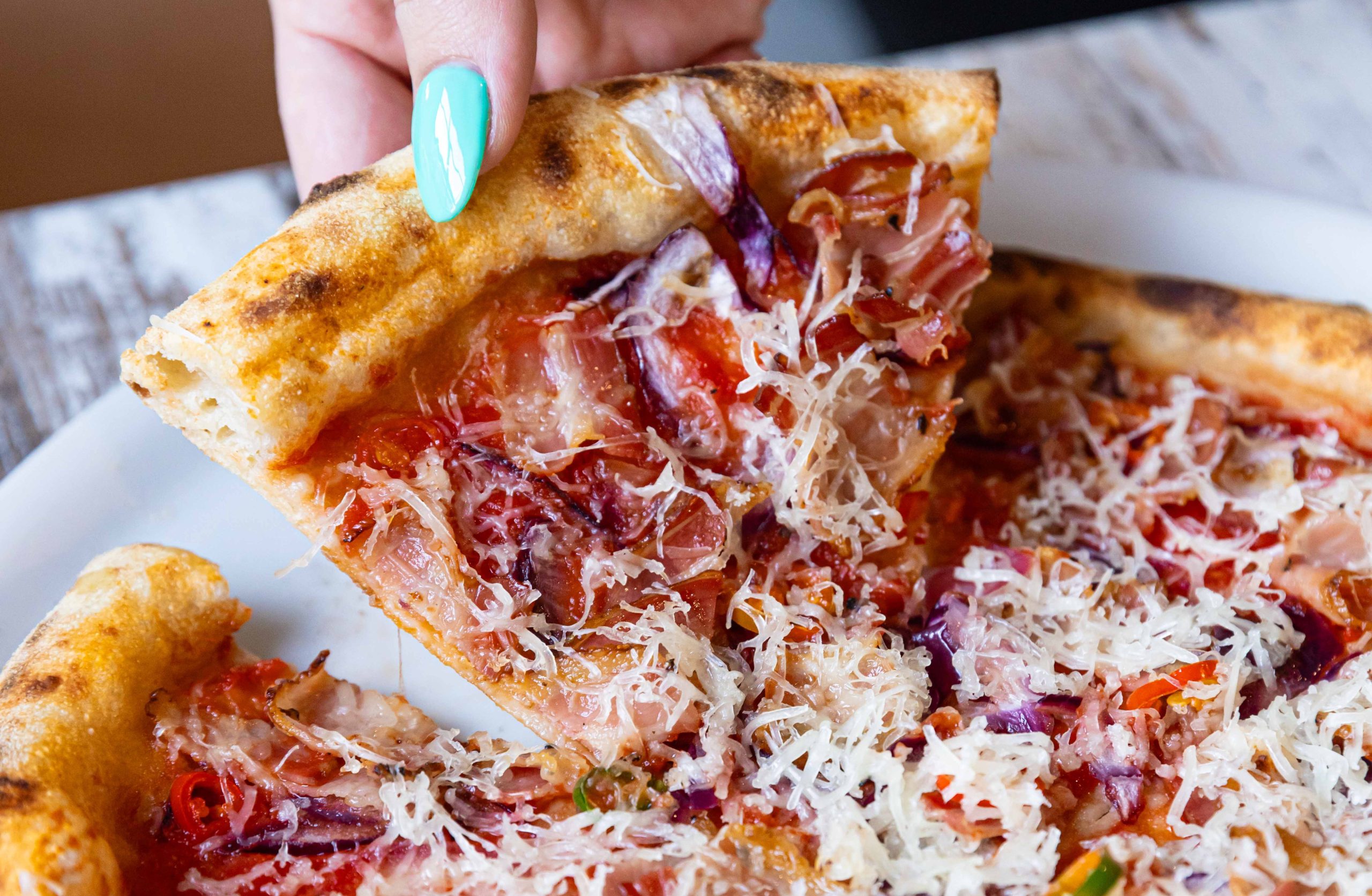
Italian pizza is loved around the world for its simplicity, regional character, and connection to tradition. Every part of Italy has developed its own style of pizza, shaped by local ingredients, family recipes, and generations of cooking passed down around the table. From soft Neapolitan bases to crisp Roman styles and rustic regional favourites, each Italian pizza reflects a different side of Italian food culture.
The types of Italian pizza emphasise balance, where carefully prepared dough, seasonal produce, quality cheese, and thoughtful toppings come together naturally. These traditions continue to shape Italian dining today, creating pizzas that feel comforting, generous, and deeply connected to the place.
Why Italy Has So Many Types of Italian Pizza
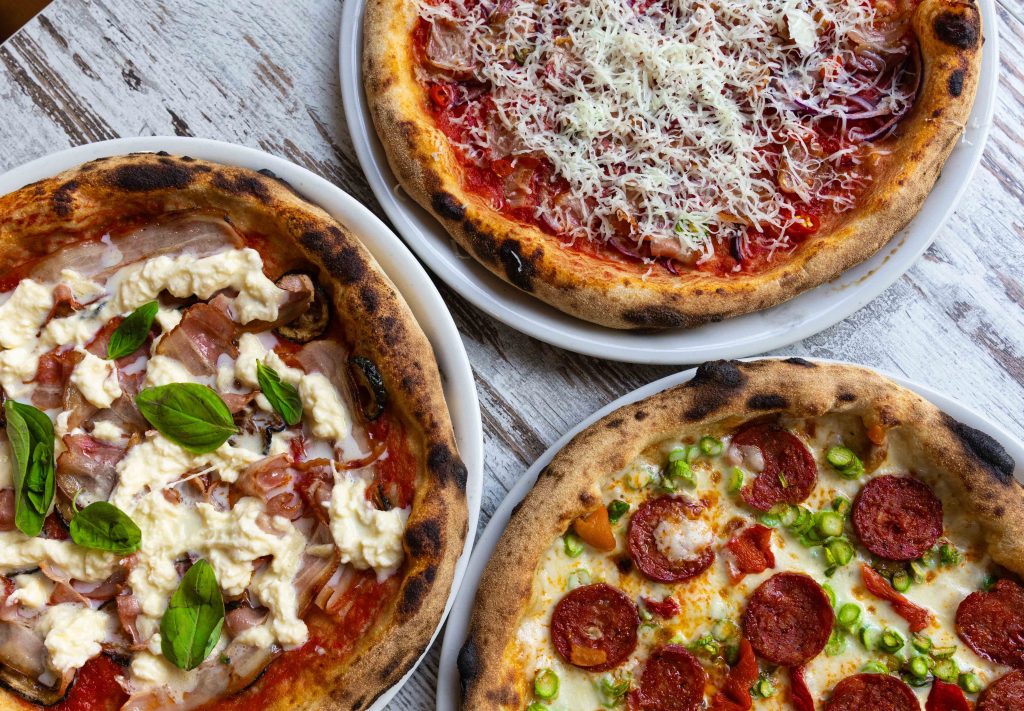
Italy has many types of pizza because each region developed its own cooking traditions shaped by local produce, climate, and cultural influences. Coastal areas often brought seafood into the kitchen, while inland regions leaned towards cured meats, cheeses, herbs, and nearby-grown vegetables. Over generations, families and local pizzerias preserved these recipes and techniques, creating distinct regional styles that still define Italian cooking today. This diversity is part of what makes Italian cuisine so special, with every pizza carrying a sense of local identity and tradition.
Types of Italian Pizza
Italy offers a wide variety of pizza styles, each with different textures, flavours, and regional influences. Some focus on simplicity with just a few ingredients, while others celebrate bold flavours and local produce. They reflect the warmth and variety found throughout Italian dining culture.
Amalfi Pizza
As a Southern Italian cooking, Amalfi Pizza is iconic with its fresh and bright flavours. It is often topped with seafood, fresh herbs, olive oil, tomato, and creamy mozzarella. This style feels light, vibrant, and closely connected to Mediterranean cooking. The base is usually thin and balanced, allowing the ingredients to remain the focus without feeling too heavy. Like many traditional Italian pizzas, Amalfi Pizza values freshness and restraint, creating combinations that feel simple yet full of flavour.
Scarparillo Pizza
Scarparillo pizza has a fresh and vibrant taste of Southern Italy with a combination that feels satisfying. Sweet cherry tomatoes and confit garlic create a rich yet balanced base, layered with creamy stracciatella, savoury pecorino, and fragrant basil. This type of Italian pizza is inspired by the bright coastal flavours of the Amalfi region.
Margherita Pizza
Margherita Pizza is one of the most recognised types of Italian pizza and remains a symbol of authentic Italian cooking. It is traditionally made with tomato sauce, mozzarella, basil, and olive oil; the pizza reflects the colours of the Italian flag through its simple ingredients. Originating in Naples, Margherita Pizza became popular because of its balance, freshness, and light texture. The dough is usually cooked at high temperatures to create a soft centre and airy crust. Despite its simplicity, Margherita Pizza embodies the Italian philosophy of letting quality ingredients and proper technique define the final dish rather than excessive toppings.
Salsiccia Pizza
Salsiccia Pizza features Italian sausage as the hero ingredient, often paired with mozzarella, mushrooms, tomato, or seasonal vegetables, depending on the region. The result is rich, savoury, and comforting without losing balance. As with traditional Italian cooking more broadly, the focus remains on letting the dough, cheese, and toppings work together naturally. Salsiccia Pizza remains a favourite because it combines hearty flavours with the simplicity that defines authentic Italian pizza.
Traditional Toppings Used Across Types of Italian Pizza
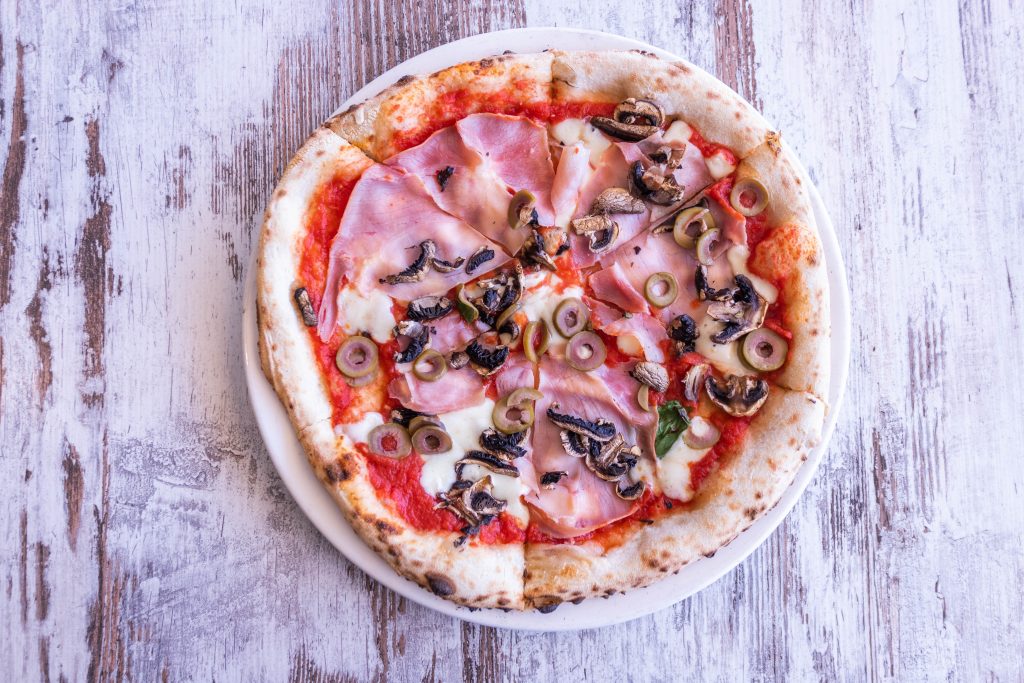
Traditional toppings used across many types of Italian pizza focus on freshness, simplicity, and regional ingredients. Tomatoes, mozzarella, basil, olive oil, mushrooms, anchovies, olives, prosciutto, and Italian sausage are among the most common ingredients used throughout Italy. Coastal regions often introduce seafood toppings, while inland areas favour cured meats and seasonal vegetables. Italians carefully balance toppings to complement the dough rather than overpower it. This restrained approach helps preserve texture and flavour while highlighting ingredient quality. Authentic Italian pizza culture values simplicity because it allows every ingredient to contribute naturally to the overall dining experience.
How Italian Pizza Traditions Continue Around the World
Italian migration helped spread pizza traditions around the world, introducing handmade dough, wood-fired cooking, and regional recipes to new communities. Over time, local interpretations developed, creating new styles inspired by Italian cuisine. Even with these variations, authentic Italian pizza remains respected for its simplicity, craftsmanship, and connection to tradition. Many restaurants still follow classic preparation methods to recreate the flavours and textures that define Italian pizza culture.
What Makes Authentic Italian Pizza So Widely Loved
Authentic Italian pizza is widely loved because it combines simplicity, quality produce, and balanced flavour in a way that feels timeless and comforting. Carefully prepared dough, fresh toppings, and traditional cooking methods create pizzas that feel satisfying without becoming too heavy.
Italian pizza also carries a strong sense of hospitality and togetherness. Whether shared during family dinners, casual lunches, or celebrations with friends, it brings people together around the table in a relaxed and welcoming way.
Discover Authentic Types of Italian Pizza at Capriccio Sydney
At Capriccio Osteria, guests can experience Italian pizza inspired by regional traditions and Southern Italian cooking. The menu offers a variety of Italian pizzas, from classic favourites like Margherita to seasonal combinations, made with carefully prepared dough, quality ingredients, and produce-led flavours throughout the year.
Using carefully prepared dough and traditional wood-fired cooking methods, Capriccio creates pizzas with a crisp texture, a light char, and an authentic Italian character. From relaxed casual dining to family celebrations and group gatherings, Capriccio offers a wide variety of handcrafted Italian pizzas for every occasion. Make a reservation today to experience authentic Italian dining and a variety of pizzas.
Frequently Asked Questions
What are the most popular types of Italian pizza?
Some of the most popular types of Italian pizza include Margherita, Marinara, Neapolitan, Roman, Sicilian, and Salsiccia Pizza. Each style reflects regional traditions, dough preparation methods, and local ingredients from different parts of Italy. Margherita Pizza remains one of the most internationally recognised because of its simplicity and balanced flavours.
Is Sicilian pizza the same as deep-dish pizza?
Sicilian pizza and deep-dish pizza are not the same, although both generally use thicker dough than other pizza styles. Traditional Sicilian pizza comes from Italy and is commonly baked in rectangular pans, with a lighter, airier texture. Deep-dish pizza originated in the United States and typically features a much deeper crust with heavier fillings and cheese layers.
Why is wood-fired cooking important for Italian pizza?
Wood-fired cooking is important for Italian pizza because it produces high temperatures that quickly cook the dough, resulting in a crisp crust and a soft interior. The intense heat also creates light charring and smoky flavour that many people associate with authentic Italian pizza. Traditional Neapolitan pizza especially relies on wood-fired ovens for its authentic preparation.
Conclusion
Many types of Italian pizza reflect Italy’s rich food culture, regional traditions, and deep connection to authentic cooking. From simple Margherita Pizza to rustic regional favourites, every style highlights the importance of good produce, balanced flavour, and carefully prepared dough. These traditions continue to shape dining culture around the world while preserving techniques passed down through generations of Italian families and pizzerias.
At Capriccio Osteria, those traditions are brought to life through handcrafted wood-fired pizzas, seasonal ingredients, and warm hospitality designed to bring people together around the table.