

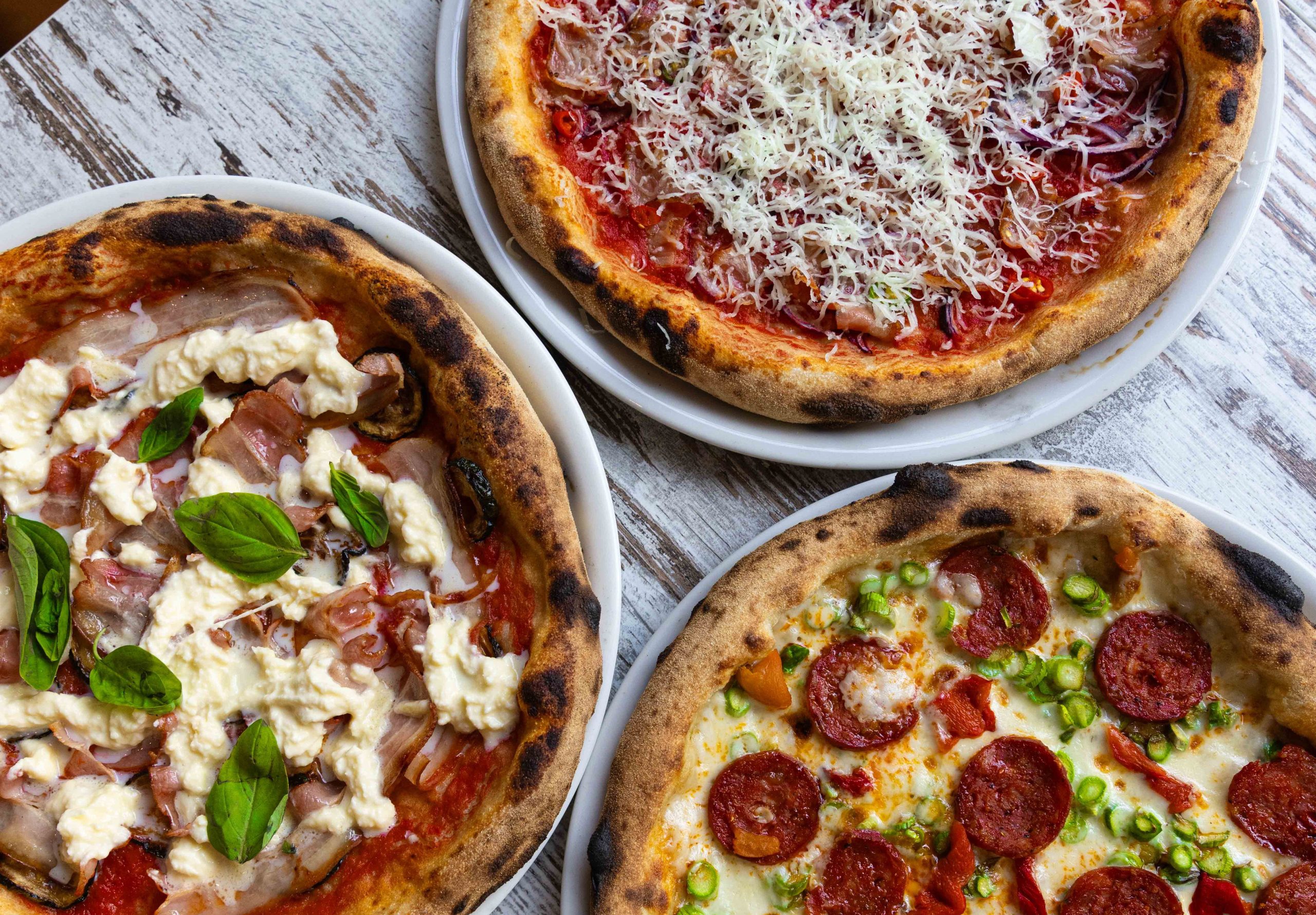
Traditional Italian pizza has always been connected to family, local produce, and the simple pleasure of gathering around the table. In Italy, every region brings its own character to pizza-making, shaped by local ingredients, generations of culinary knowledge, and a strong respect for tradition. From Naples to Rome, pizza is more about balance, where carefully prepared dough, ripe tomatoes, fresh mozzarella, olive oil, and seasonal ingredients come together naturally. While pizza styles around the world continue to evolve, traditional pizza remains authentic, made by hand.
The Characteristics of Traditional Italian Pizza
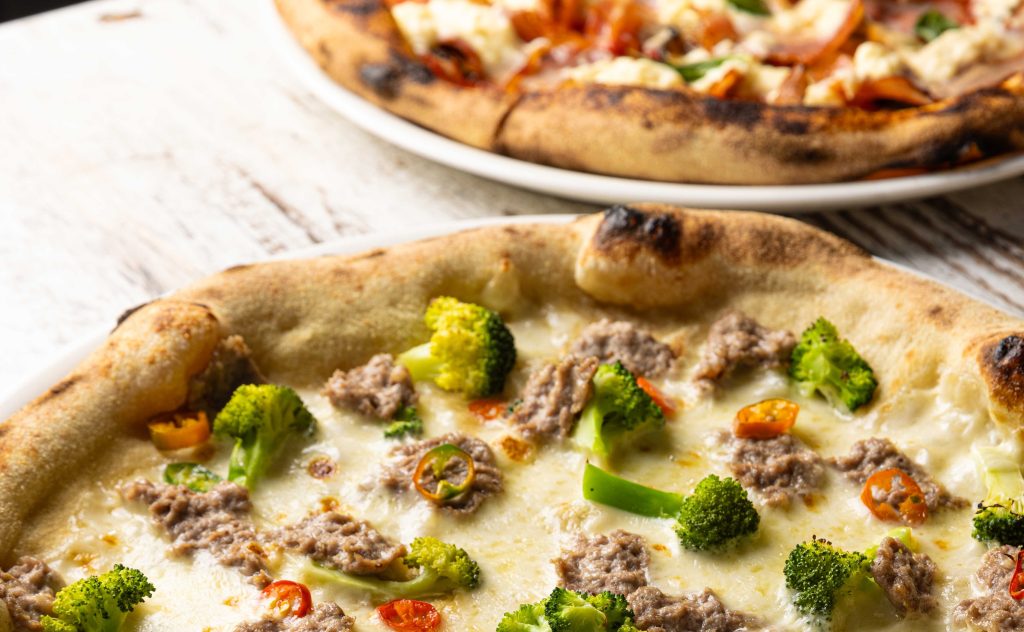
Traditional Italian pizza is known for its simplicity, fresh ingredients, and balanced flavour. The dough is light and airy, creating a base that supports the toppings without feeling too heavy. Tomatoes, mozzarella, olive oil, basil, and market-fresh produce are carefully selected so that every element can stand on its own.
Many traditional pizzas also reflect regional preferences, creating subtle differences in texture and flavour throughout Italy. Unlike some modern pizza styles, the traditional pizza in Leichhardt avoids excessive toppings and heavy sauces. The goal is to create a balanced dish where every ingredient naturally complements the pizza without overpowering it.
Traditional Pizza Dough and Why It Matters
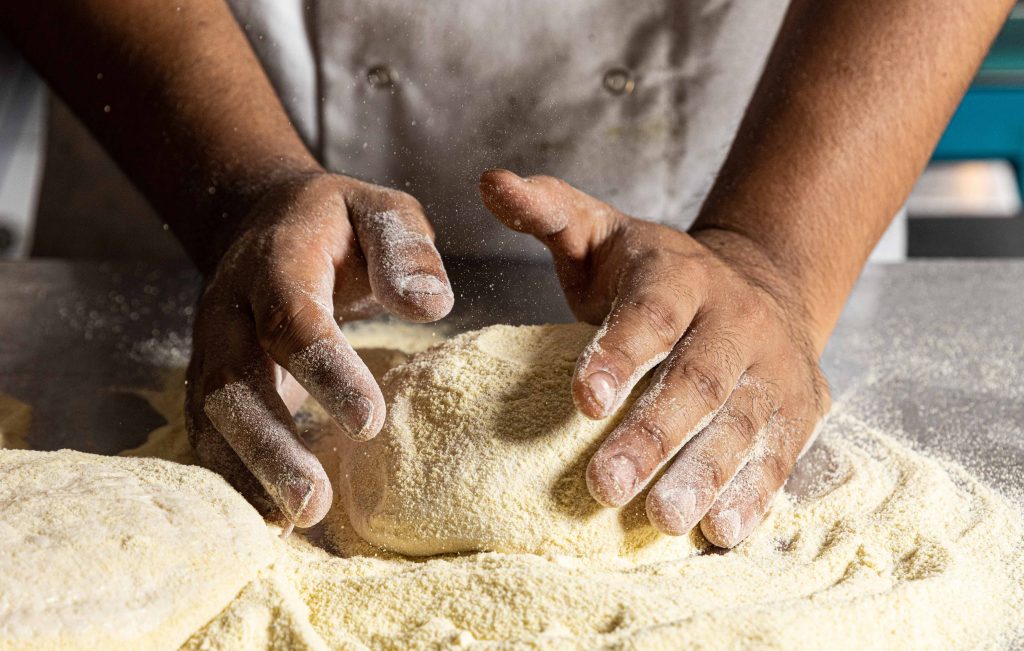
Dough plays an important role in authentic Italian pizza. Made simply with flour, water, yeast, salt, and olive oil, it relies on patience and technique rather than unnecessary complexity. Slow fermentation develops flavour depth while creating the soft texture associated with classic Italian pizza.
In many Italian kitchens, dough preparation becomes part of the daily rhythm of service. It is rested carefully, shaped by hand, and handled with attention from start to finish. When prepared properly, the crust develops gentle crispness on the outside while remaining soft and airy through the centre, giving the toppings the perfect foundation without overwhelming them.
Popular Styles of Traditional Italian Pizza Across Italy
Italy’s regional pizza traditions reflect the country’s diverse food culture and local harvests. Neapolitan pizza is known for its soft centre, airy crust, and wood-fired cooking, while Roman pizza offers a thinner and crispier texture. Sicilian pizza often features a thicker base baked in trays, bringing a heartier style to the table.
Every region carries its own identity, often shaped by nearby farms, coastlines, and long-standing cooking customs. Coastal towns may lean towards seafood and lighter flavours, while inland areas embrace cured meats, cheeses, and earthy ingredients. Despite these differences, Italian pizza always returns to the same foundations: quality produce, thoughtful preparation, and balanced flavour.
Classic Toppings Found on Traditional Italian Pizza
Traditional Italian pizza uses carefully selected, fresh, seasonal ingredients. Tomatoes, mozzarella, basil, olive oil, mushrooms, olives, anchovies, and cured meats are commonly used in classic pizzas across Italy, with toppings carefully chosen so every flavour stays balanced and distinct. A Margherita, for example, brings together sweet tomato, creamy mozzarella, basil, and olive oil in a way that feels simple yet deeply satisfying. Regional traditions also shape toppings throughout Italy, from seafood along the coast to vegetables and herbs grown closer to home in the south, giving Italian pizza its warmth and character.
Why Simplicity Is Important in Italian Pizza Culture
Simplicity has always been central to Italian cooking. Italian pizza reflects the idea that when ingredients are fresh and prepared properly, very little else is needed. Instead of relying on rich sauces or overly loaded toppings, traditional pizza lets the dough, tomato, cheese, and seasonal produce speak for themselves. Every ingredient has a purpose, with each element complementing the others naturally. It is this sense of balance that gives Italian pizza its lasting appeal and continues to influence restaurants around the world.
The Difference Between Traditional Italian Pizza and Modern Pizza Styles
The difference between traditional pizza and many modern pizza styles lies in its focus on simplicity, dough quality, and ingredient balance. In some countries, modern pizzas often feature thicker crusts, larger portions, and a wide range of toppings, designed for convenience or indulgence. Traditional Italian pizza generally uses lighter dough, moderate toppings, and fresh ingredients prepared with restraint.
The cooking method for traditional pizza is special; it is often baked at high temperatures for short periods to achieve a softer, more balanced texture. Wood-fired ovens and high heat help develop delicate char and a soft crust while keeping the flavours clean and balanced.
The Experience of Eating Traditional Italian Pizza in an Italian Restaurant
Eating traditional pizza in an Italian restaurant is about experiencing the atmosphere around the table, the conversations shared between courses, and the feeling of being welcomed in. Authentic Italian restaurants usually focus on freshly prepared dough, balanced ingredients, and proper cooking techniques that respect traditional methods.
Pizza is commonly enjoyed alongside wine, antipasto, and conversation in a relaxed atmosphere. The presentation is typically simple because the emphasis remains on flavour and quality. This dining style allows guests to experience the cultural traditions of Italian cuisine while appreciating the craftsmanship behind every pizza.
Enjoy the Flavours of Traditional Italian Pizza in Capriccio
At Capriccio Osteria, pizza is approached with the same warmth and simplicity that shape Southern Italian cooking. The dough is prepared in-house with patience and care, while seasonal ingredients and quality produce guide the menu year-round. Cooked in a wood-fired oven, each pizza develops a light char, airy crust, and balanced flavour that reflects traditional technique with a modern touch. The menu also embraces familiar flavours while allowing fresh ingredients to take the lead, creating dishes that feel vibrant, generous, and made for sharing.
Capriccio creates a welcoming space where food, conversation, and hospitality come together naturally around the table. Make a reservation today to experience the authentic Italian pizza with traditional cooking methods.
Frequently Asked Questions
Is traditional Italian pizza always cooked in a wood-fired oven?
Traditional pizza is often associated with wood-fired ovens because they reach high temperatures, cooking pizza quickly and producing a light, charred crust. Neapolitan pizza especially relies on this cooking method in its traditional preparation. However, not all Italian pizzas are cooked in wood-fired ovens.
Why does traditional Italian pizza use fewer toppings?
Traditional pizza uses fewer toppings because Italian cooking values balance and ingredient quality over quantity. Using too many toppings can overwhelm the dough and prevent flavours from working naturally together. Italians prefer allowing each ingredient to remain distinct while supporting the pizza’s overall flavour.
Is traditional Italian pizza usually thin- or thick-crust?
Most traditional pizza styles are known for their relatively thin crusts, though the texture varies by region. Neapolitan pizza features a soft and airy crust with a thin centre, while Roman pizza is thinner and crispier throughout.
Conclusion
Traditional Italian pizza remains one of Italy’s most celebrated culinary traditions for its simplicity, craftsmanship, and strong regional identity. From carefully prepared dough to balanced toppings and authentic cooking methods, every detail reflects the values that define Italian cuisine. Different pizza styles across Italy showcase Italy’s rich food culture while preserving techniques passed down through generations.
Capriccio Osteria is a fit for people looking to experience authentic Italian pizza traditions. They can explore the welcoming atmosphere and handcrafted dishes.