

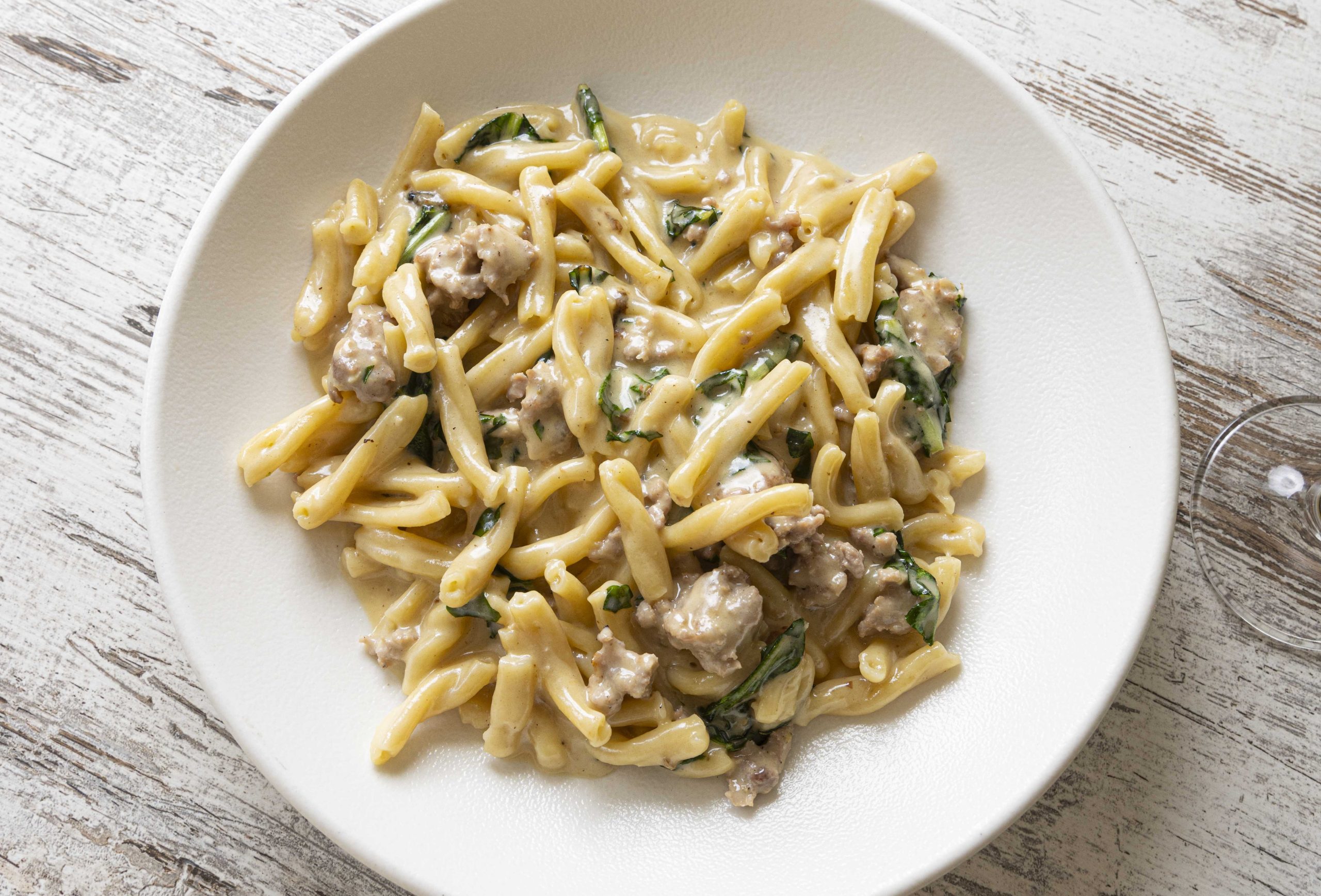
Don’t we all agree that Italian pasta is one of the most recognised foods in the world? Though the variety found across Italy is far richer than many people realise. Every type of Italian pasta has its own story, shaped by local traditions, family cooking, and the ingredients available in each region. From long strands served with light sauces to filled pasta prepared for celebrations, pasta shapes are deeply connected to regional traditions and family recipes. In Italy, different shapes of pasta are carefully paired with particular sauces and ingredients to create balance, texture, and flavour.
What Makes Each Type of Italian Pasta Unique?
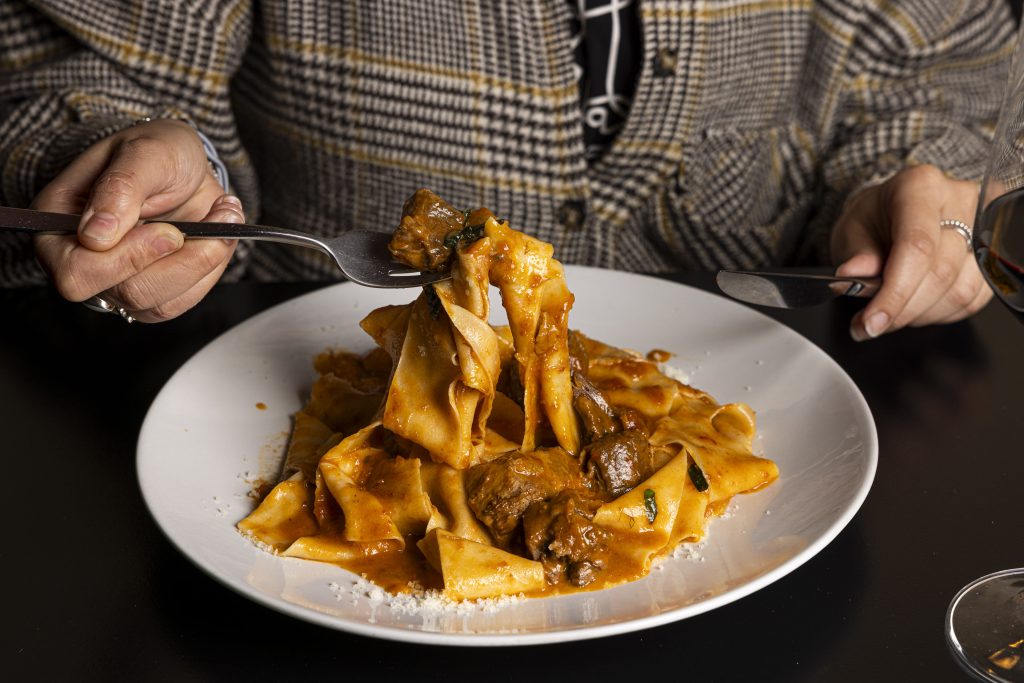
Every type of Italian pasta shape has its own purpose, which is part of what makes Italian cooking feel so thoughtful and personal. The texture, thickness, and shape all affect how pasta holds sauce and carries flavour. Long pasta such as spaghetti works beautifully with lighter sauces, while ridged or hollow shapes are better suited to richer, slower-cooked dishes that cling to every bite.
Some pastas feel delicate and silky, while others are folded, twisted, or rolled to capture sauce more generously. These small details are what give Italian pasta its character, allowing simple ingredients to come together in a way that feels balanced, comforting, and full of flavour.
How Does The Type of Italian Pasta Reflect Italian Regional Culture
Throughout Italy, different regions developed their own type of Italian pasta traditions based on the ingredients available to them and the cooking styles passed down through generations. Northern regions are known for softer egg-based pasta such as tagliatelle and tortellini, while Southern Italy is closely associated with dried pasta made from durum wheat, served with seafood, olive oil, tomatoes, and slow-cooked sauces.
Many recipes have remained part of family kitchens for decades, shared between generations and closely connected to local traditions. These regional differences are what make Italian cooking feel so rich and personal, with every pasta dish carrying a story of place, family, and home cooking.
How Italians Enjoy Pasta
In Italy, people usually enjoyed pasta slowly as a shared meal rather than served as a large single dish. It is usually eaten as a primo, arriving before seafood, meat, or vegetables, allowing the meal to unfold naturally around the table. The meals focus on quality ingredients and proper cooking techniques rather than heavy portions. Pasta is also deeply connected to social traditions, family gatherings, and Sunday lunches.
Many families continue to prepare homemade pasta together during holidays and celebrations. This shows how Italians value simplicity and balance, letting the pasta and sauce work together naturally without overwhelming the dish with unnecessary ingredients.
The Origins of Pasta Shapes in Italian Culinary Tradition
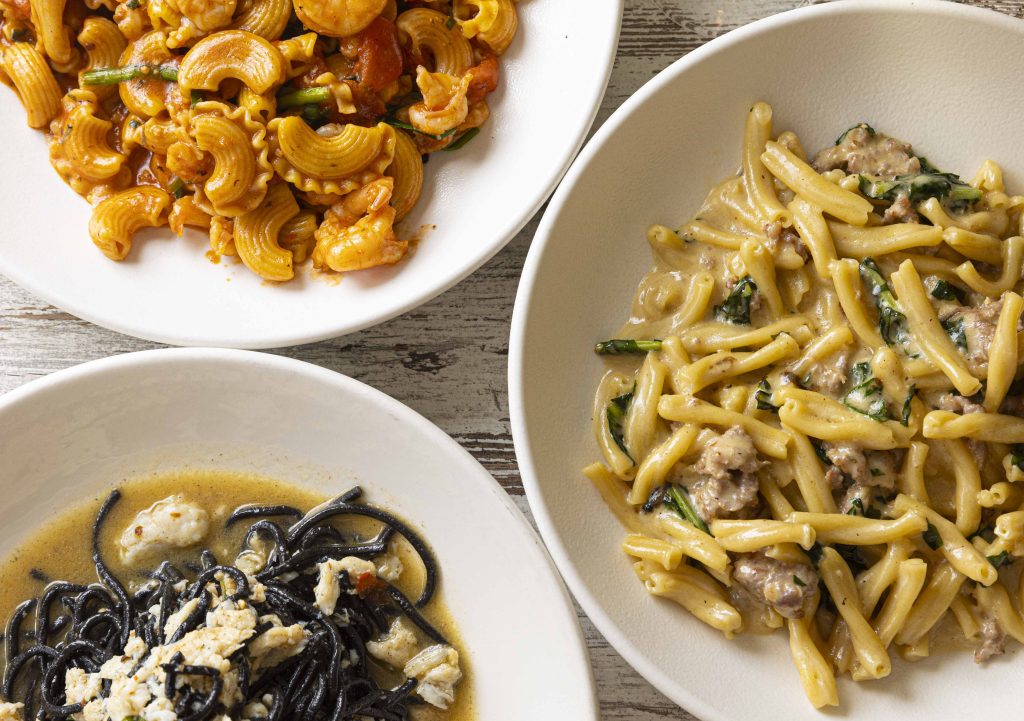
Many types of Italian pasta shapes are made from practical cooking needs and regional traditions. Some were designed to hold thick sauces, while others suited soups or baked dishes. Handmade pasta techniques were often passed through generations, allowing each region to create shapes linked to local identity and ingredients. Over time, these shapes became an important part of Italian culinary culture.
Long Pasta Varieties Found Across Italy
Long pasta remains one of the most loved styles of Italian pasta. Spaghetti, linguine, fettuccine, and tagliatelle are enjoyed throughout Italy, each paired with sauces that naturally complement their texture and shape. Thin, delicate strands are commonly paired with olive oil-based sauces or seafood, while wider ribbons pair well with richer sauces such as ragù.
In Northern Italy, fresh long pasta is especially popular because the egg-based dough gives it a softer texture. Southern Italy often focuses on dried pasta varieties with firmer consistency. The choice of long pasta depends largely on the sauce, ingredients, and regional traditions associated with each recipe.
Short Pasta Shapes and Their Everyday Uses
Short pasta shapes are a part of everyday Italian cooking because they are versatile, comforting, and easy to share. Penne, rigatoni, fusilli, and farfalle are popular examples found in homes and restaurants across Italy. Their ridges, curves, and hollow centres help capture sauces and small ingredients more effectively. Some short pasta varieties are ideal for baked dishes, while others are suited to vegetable-based sauces or simple tomato preparations. These pasta dishes often appear at family tables because they are practical, satisfying, and made for relaxed meals shared together.
Filled Pasta and Italy’s Rich Regional Traditions
Filled pasta is a special part of the Italian culinary tradition, and it is often associated with celebrations, holidays, and family gatherings. Ravioli, tortellini, agnolotti, and cappelletti are examples of filled pasta found across different regions. Each region has its own traditional fillings based on local ingredients such as ricotta, meat, pumpkin, spinach, or herbs. Filled pasta is usually prepared carefully by hand, making it a symbol of craftsmanship and family tradition. These pasta dishes show how Italian cooking values regional identity, seasonal ingredients, and the importance of sharing meals with loved ones.
Fresh Pasta and Dried Pasta: Understanding the Difference
Fresh pasta and dried pasta both have their place in Italian cooking, with each suited to different styles of dishes and sauces. Fresh pasta is softer and more delicate, often made with eggs and paired with butter-based sauces or filled pasta dishes. Dried pasta has a firmer texture that works beautifully with seafood, tomatoes, olive oil, and sauces cooked slowly over time. Italian cooking pays close attention to these details because the right pasta helps bring balance and comfort to the dish as a whole.
Traditional Sauces Paired With Different Types of Italian Pasta
In Italian cooking, the relationship between pasta and sauce matters deeply. Thin pasta, such as spaghetti, pairs naturally with olive oil, garlic, seafood, or light tomato sauces, while broader ribbons, like pappardelle, are perfect for rich, slowly simmered ragùs. Hollow pasta shapes, such as rigatoni, hold sauce, creating flavour in every bite. Filled pasta is often served simply with butter, sage, or light sauces that let the filling remain the focus. Italian cooking is built around balance, where every ingredient must be carefully considered, and nothing overwhelms the plate or the taste.
The Difference Between Everyday Pasta and Celebration Pasta in Italy
Some pasta dishes are part of everyday meals, while others are prepared for holidays, celebrations, and large family gatherings. Every day pasta is often simple and comforting, built around tomatoes, olive oil, garlic, herbs, and seasonal vegetables. Celebration dishes usually feature handmade pasta, filled varieties, or sauces cooked for many hours.
Lasagna, tortellini in broth, and baked pasta dishes often appear during holidays, where families spend the day cooking together before gathering around crowded tables filled with food, wine, and conversation. These traditions are part of what makes Italian dining feel so warm and generous.
Why Pasta Shapes Matter in Authentic Italian Cooking
Pasta shapes matter because they change the way a dish feels and tastes. Italians believe the right shape allows the sauce to coat the pasta properly and helps balance the plate. Ridged pasta works beautifully with hearty sauces, while smoother pasta pairs well with lighter preparations. Smaller shapes are often added to soups, while larger varieties are ideal for baked dishes layered with sauce and cheese. These thoughtful details are part of what gives Italian cooking its sense of care, warmth, and connection to tradition.
Pasta Shapes Commonly Used in Italian Restaurants
Italian restaurants often use a wide variety of pasta shapes. Spaghetti, penne, rigatoni, fettuccine, ravioli, and gnocchi remain favourites because they pair well with a variety of sauces and ingredients. Fresh pasta is often chosen for dishes that highlight handmade techniques and delicate textures, while dried pasta continues to play an important role in many comforting Italian classics. These dishes allow diners to experience the depth, warmth, and generosity of Italian cooking.
Discover Various Types of Italian Pasta at Capriccio Sydney
At Capriccio Osteria, pasta has always been about bringing people together. The menu is shaped around food and meant to be shared slowly across the table, with dishes inspired by Southern Italian cooking, seasonal ingredients, and recipes that feel familiar yet thoughtfully refined. Fresh pasta made with care in-house, using traditional techniques that allow simple ingredients to shine naturally. Guests might begin with Squid Ink Spaghetti folded through blue swimmer crab, share Pumpkin and Ricotta Ravioli finished with sage burnt butter, or settle into comforting bowls of Tortellini with Italian sausage and slow-cooked sauces.
The food at Capriccio reflects the way Italians love to eat, generous plates placed in the centre of the table, good wine being poured, and conversations stretching long into the evening. Every dish is served by balancing traditional Italian cooking with a lighter, more modern approach that evolves naturally with the seasons. Make a reservation now to experience a type of Italian pasta.
Frequently Asked Questions
Are all pasta dishes traditionally Italian?
Not all pasta dishes served around the world are traditionally Italian. Many countries have created their own pasta recipes inspired by Italian cuisine but adapted to local tastes and ingredients. Authentic Italian pasta dishes usually focus on balance, simplicity, and regional traditions rather than excessive ingredients or heavy sauces.
Which pasta shapes are best for creamy sauces?
Pasta shapes with broad surfaces or ridges are usually best for creamy sauces because they help hold the sauce more effectively. Fettuccine, tagliatelle, rigatoni, and penne are commonly paired with creamy sauces in Italian cooking. Filled pasta can also work well with lighter cream-based sauces when the filling remains the main focus.
What is the most popular type of Italian pasta?
Spaghetti is widely considered one of the most popular pasta varieties both in Italy and internationally. Its versatility allows it to pair with many traditional sauces, from simple tomato preparations to seafood and garlic-based dishes. Other highly popular pasta types include penne, rigatoni, tagliatelle, and ravioli.
Conclusion
The wide variety of pasta found across Italy reflects generations of cooking traditions, regional flavours, and the joy of gathering around the table together. Every pasta shape carries its own story, shaped by family recipes, local ingredients, and meals shared slowly with the people around us.
Italian cooking continues to bring comfort and connection to tables around the world. Capriccio Osteria offers a different type of Italian pasta, a welcoming atmosphere, and a traditional menu. Book your table today to experience authentic Italian dining at Capriccio Sydney.